Testing a River Falls house for radon
A test takes a few days and costs little. The two things that ruin most results are bad placement and an open window.
Pick the kind of test
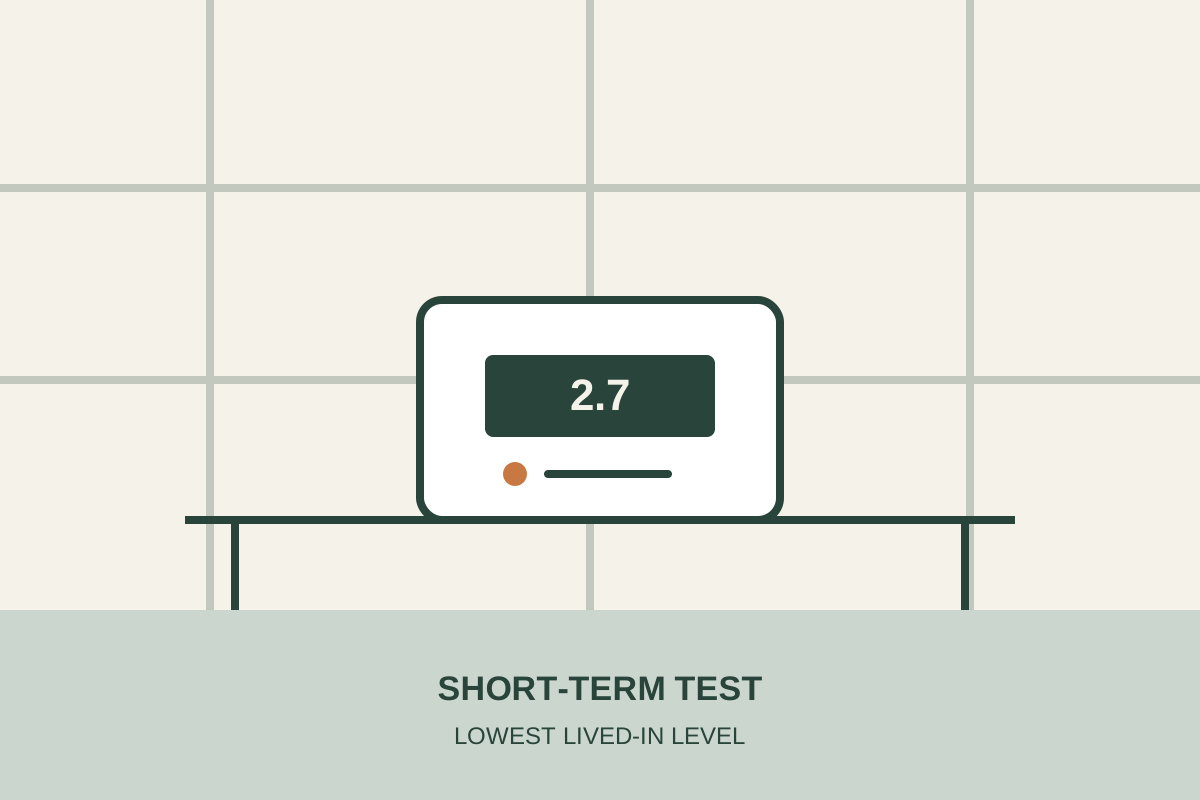
Kits come in two lengths. A short-term test runs 2 to 90 days, and most homeowner kits are done in 2 to 7. A long-term test runs longer than 90 days and averages out the swings caused by weather and seasons.
Most people start short. It’s quick and cheap, and if the number is clearly low or clearly high, it tells you what you need. If it lands near 4, follow up with a second test before deciding anything.
For a home sale, hire a certified measurement specialist who uses a continuous electronic monitor. It records hourly readings and flags tampering, which matters when buyer and seller both care about the number.
Put it in the right place
- Lowest level you actually live on. A finished basement rec room counts. A storage-only basement doesn’t.
- About 20 inches off the floor.
- Away from outside walls, windows, doors, and the sump pit.
- Not in a kitchen, bathroom, or laundry room.
Keep the house closed
Close windows and outside doors at least 12 hours before a short-term test starts and keep them closed until it ends. Normal trips in and out are fine. Don’t run fans that pull outside air in.
River Falls winters make this easy. Testing in summer means actually keeping the windows shut on warm nights, which is where a lot of summer tests go wrong.
What the number means
- Below 2 pCi/L: no action needed. Retest every few years or after remodeling the basement.
- 2 to 4 pCi/L: EPA suggests considering a fix. A long-term test shows where you really sit.
- Above 4 pCi/L: Wisconsin DHS treats this as high. Confirm it, then read what a mitigation system involves.
If you’re not sure what your result means, the regional Radon Information Center will talk it through with you. Details are on our find a radon pro page.
Back to the River Falls radon guide.
Testing questions
Where do Pierce and St. Croix county residents get kits?
The Northwest Central Wisconsin Radon Information Center at the Dunn County Health Department serves both counties. Hardware stores and online sellers also carry kits, which Wisconsin DHS says usually run $10 to $30.
Is a January test better than a July test?
A January test usually catches the house at its most closed-up, which tends to raise radon. A summer test is still useful, but a low result is worth confirming during the heating season.
What if I rent?
You can test a rental the same way. Wisconsin's landlord-tenant guidance addresses conditions affecting habitability, and DHS links to it on its radon page.
- We don't sell tests or install systems
- Every figure links to its source
- Covers Wisconsin and Minnesota rules